Surfaces That Stop Causing Safety Concerns
Pool Deck Renovations in Texarkana for decks showing cracks, settled sections, or surface deterioration
Cracked concrete around pool edges creates trip hazards and allows water to penetrate beneath the slab, which accelerates further settling and damage. Pool deck renovations from Pine Creek Pools and Outdoors address visible surface problems and the underlying causes, whether that's inadequate substrate preparation, tree root intrusion, or erosion from improper drainage. Homeowners in Texarkana often see these issues emerge after five to ten years as seasonal ground movement and constant wet-dry cycles stress the original installation.
Renovation options include removing and replacing damaged sections, applying decorative overlays to resurface the entire deck, or installing stamped concrete finishes that add texture and slip resistance. The approach depends on whether the underlying slab remains structurally sound or if subsurface issues require excavation and recompaction. Decorative finishes range from simple color tints to patterns that mimic natural stone, with sealed surfaces that resist algae growth and chlorine exposure better than bare concrete.
Schedule a deck evaluation to identify which sections need replacement versus resurfacing and review finish options.
How Updated Decks Improve Pool Safety and Usability
Renovation work starts with assessing crack patterns to determine if they indicate surface-only damage or deeper structural movement. Hairline cracks that run parallel to the pool edge usually signal shrinkage during curing, while wider cracks that radiate outward suggest settlement or voids beneath the slab. When subsurface issues exist, repair includes mud jacking or foam injection to stabilize the base before any surface work begins, preventing the same problems from recurring within a year.
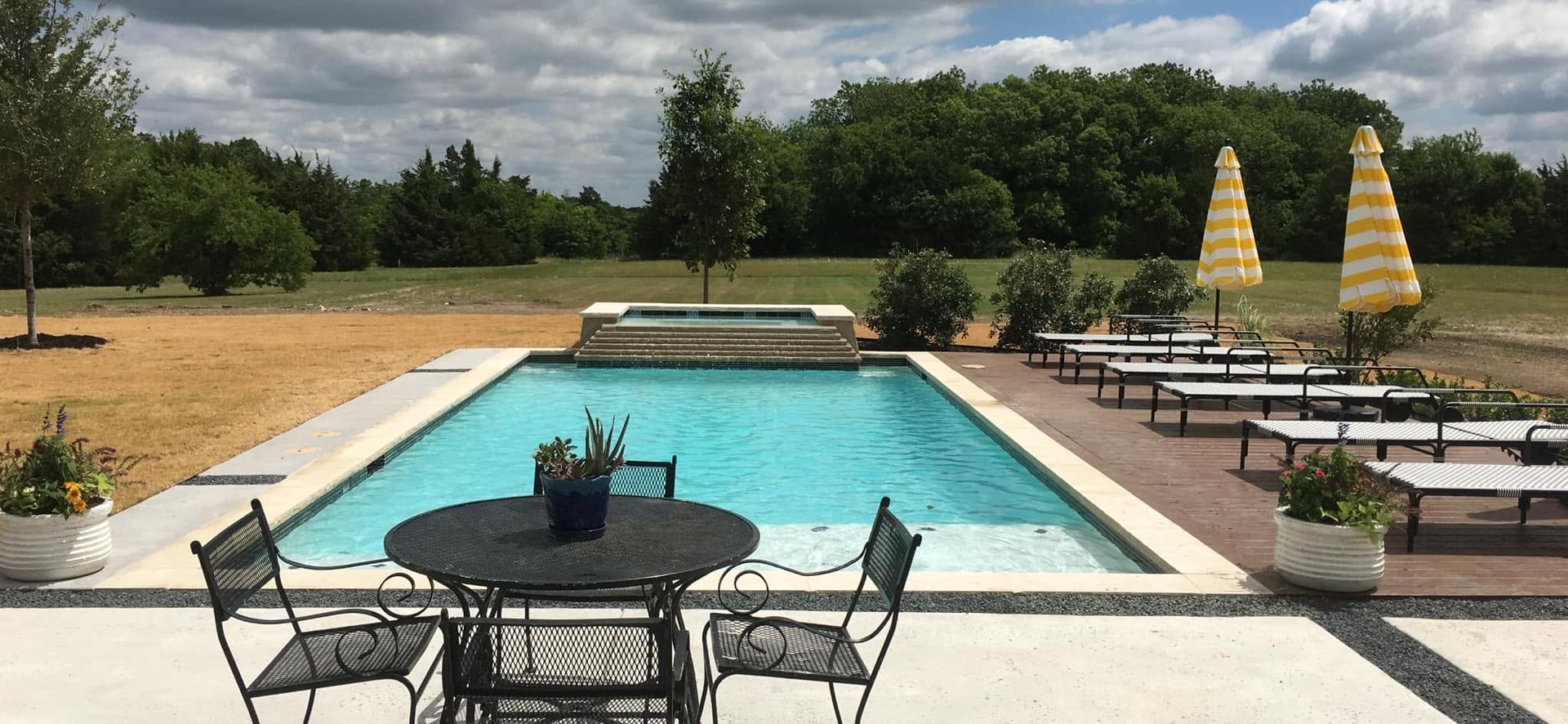
Once renovations finish, you'll see a uniform surface free of trip hazards, improved traction when the deck is wet, and color consistency that makes the pool area look intentional rather than patched. Properly sealed finishes mean water beads on the surface instead of soaking in, which reduces freeze-thaw damage during occasional Texarkana cold snaps and limits the mildew that thrives in porous concrete. The deck no longer requires pressure washing as frequently because sealed surfaces release dirt and organic stains more easily.
Full renovations typically include surface preparation, crack repair or slab stabilization if needed, finish application, and sealing. The service does not usually address pool equipment upgrades, coping replacement, or landscaping changes, though coordination with those trades happens when projects overlap. Finish durability depends partly on maintenance practices like resealing every two to three years and avoiding abrasive cleaning methods that wear through protective coatings.
Common Questions About Deck Renovation
These details help clarify what renovation involves and how decisions get made during the process.
What determines whether a deck needs complete replacement versus an overlay?
If the existing slab has widespread structural cracks, significant settling, or deep spalling that exposes aggregate, replacement makes more sense. Overlays work well when damage is limited to the surface layer and the base remains stable and level.
How do decorative finishes hold up to pool chemicals and constant moisture?
Quality stamped concrete and overlay systems include sealers specifically formulated to resist chlorine and pH imbalances that would otherwise etch or discolor the surface. Resealing every two to three years maintains this chemical resistance and prevents water infiltration that causes delamination.
Why do some pool decks crack within a few years while others last decades?
Cracking typically results from inadequate substrate compaction, insufficient control joints, pouring concrete during temperature extremes, or skipping proper curing procedures. Decks poured directly over expansive clay soils common in Texarkana also crack more readily unless the base includes proper drainage and stabilization layers.
What texture options provide slip resistance without being uncomfortable barefoot?
Knockdown finishes, light broom textures, and certain stamped patterns offer grip when wet while remaining smooth enough for bare feet. Heavily textured surfaces that work well for driveways often feel too abrasive around pools where people walk barefoot constantly.
How long before we can use the pool again after deck renovation?
Surface-only work like overlays or stamped finishes usually cure enough for light foot traffic within 24 to 48 hours, though full chemical cure takes seven days. If the project includes slab replacement or structural repair, expect a two-week timeline before resuming normal pool use to allow proper curing and sealer application.
Pine Creek Pools and Outdoors evaluates the current deck condition and explains which renovation approach makes sense based on the damage patterns observed and your budget parameters. Contact the team to arrange an on-site deck assessment and discuss finish options suited to your pool area.